|
| |
Exploring Chile in a camper
Chile is not only the longest country on earth it is also the one of the narrowest. This characteristic makes an exploration from north to south relatively uncomplicated, since you cannot deviate that much to the east or the west. In order to cross the entire country you simply follow the famous Panamericana, the longest route on earth. This street is composed of the Ruta 5 from Arica down to Puerto Montt. Arriving in Puerto Montt, you have three options. Either you continue following the Ruta 5 down to the Isle of Chiloé, which you ferry across to, or you switch to the Carretera Austral, the southern continuation of the Panamericana which takes you down to Villa O’Higgins by means of three ferries (Attention!: The service of the ferries varies with the season). Or from Puerto Montt on you decide to sooner or later cross the Argentinean border and thereby be able to get to the southernmost city of Chile, and most of the most austral on earth, Punta Arenas.
Whether you decide to cross the entire country or dedicate yourself to the thorough exploration of one specific region, each and every single one has its own distinctiveness and charm. |
|
The North
|
Arica and Iquique
Arica, entrance gate to the country can be characterized as a desert zone with some oases appearing in the middle of the plain. This city is widely known because of the “Morro de Arica”, heroic act from a daring battle taking place in The War of the Pacific in the 20th century. Arica’s average temperature in the coastal area invites people to enjoy the beaches all year round. Arica “The City of Eternal Spring” is a zone where various Pre-Columbian towns that left their mark converged; besides, it is also rich in native flora and fauna. On the other hand, Iquique is widely known for the Zona Franca (Duty Free Zone), a 200 hectare business center where steady wholesale commercial and industrial activities are carried out. The famous ZOFRI, (Zona Franca de Iquique in Spanish) is also a retail shopping center which offers amusing leisure activities. Undoubtedly, the coastal zone which is the most beautiful and longest in the region allows visitors to swim and do nautical sports nearly the whole year. In the Pampa, and large geographic area in the inner parts of the region, some ghost towns which remind saltpeter exploitation abundance times may still be found. Geoglyphs, petroglyphs and cave paintings form important vestiges which give testimony of the Tiwanaku culture. In the Andes and the Altiplano Aymara and Atacaman communities still reside performing ancestral customs devoted to quinoa cultivation and camelid breeding. High and snowed mountain peaks, Aymara ceremonial hills, long plains with native vegetable species, lagoons, rivers and wetlands with rich fauna, geysers and thermal baths stand out in Volcán Isluga National Park.
The Atacama Desert
Atacama Desert, geographically located in what is known as “El Norte Grande” (The Big North), in which the desert village San Pedro de Atacama has established itself as a vantage point for many excursions. Known worldwide as the driest desert on earth, Atacama Desert comprises of a vast territory involving important archaeological, natural and cultural riches. A rich archaeological tradition can be found there, Cerro Pintado Geoglyphes and Quitor and Lasana Pukaras confirm how highly developed native towns were by that time. In Chile’s modern history, Atacama Desert has played an important role in the nation’s development to such an extent as to be a truly silent witness of the glorious past nitrate industry once had. The living testimony expressed by some nitrate offices is the symbol of a no longer existing life which still remains alive in Chile’s memory. Aridity and dryness in Atacama Desert contrast the fertility found in valleys and oases (such as Azapa Valley and Pica Oasis). Flora and fauna are also an important part of the desert landscape. Protected species in Lauca, Isluga and Surire Salt Flat national parks and monuments symbolize part of the wonderful attractions nature has given this region, where life – despite its inhospitable scenario – has managed to successfully continue. Desert and Altiplano constantly captivate the visitor due to its diverse geography: Valley of the Moon, portraying its particular rocky shapes, takes this scene to limits out of this world; Atacama Salt Flat and El Tatio Geysers featuring surrealist characteristics rise among the calm thermal waters such as Camina’s as a kind of heavenly paradox which contrasts the endlessly startling reality.
Putre & the national park Lauca
Putre means “murmur of the water” due to its abundance of water. It is a small village of the Aymará (an indigenous which apparently still lives untouched by urban influence and still practices its ancient rituals and maintains its traditional architecture. Between the mountains and the high plateau, Putre is situated at an altitude of 3.500 m and is the vantage point for excursion into the national park Lauca and the national reserve Vicuña, where you will find 80% of the Chilean fauna in an astonishing natural surrounding. The national park Lauca is a biosphere reserve of the UNESCO with more than 130 different species such as Vicuñas, Vizachas und Condors.
Salar de Tara
Here you can explore the Centinales de Pakana, a formation of rocky pillow-like structures that endured the geological eras like a testimonial of the enormous volcanic eruptions of the tertiary.
After that we will ascend to 2,000 m above sea level to see the Salar de Tara, which probably is the last untouched area of this part. The landscape is spectacular. At the Quepaico River you will be able to see large herds of Lamas and Vicuñas, drinking its salty waters. The Monjes de Pacana is another geological curiosity: Huge hills that are dispersed among the plain.
Tatio Geysers
The geysers constitute a geothermic field of volcanic origins, where water and vapor are violently expulsed from the earth. The geysers are most active between 5:30 am and 7:00 am when the steam fountains easily reach a height of 30 meters. This is definitely a spectacle not to be missed. There are naturally formed thermal pools near the geysers where you may bathe.
The villages of the high plateau
Get to know Chiu-Chiu, a place situated 30 km from Calama. It is a little village founded by Spaniards with a clean layout, a neat, restored town square and the most beautiful church of the region.
About 84 km from Calama you will find Caspana, which is surrounded by a fertile valley made from terraced cultivated areas. This village also stands out due to its architecture of pumice and adobe roofs. It is populated by a powerfully organized society that lives off the flower and vegetable production for the market in Calama.
Socaire is located about 90 km from San Pedro de Atacama.
With is Spanish background is it much more than just a village, it is a sequence of terraced cultivated areas on a broad slope, which use the inclination of this area. Here you will find beautiful houses made of stone and in the rear part of the village a small church watches over the place, and sports a stone tower with is sung to every year on August 24 (Fiesta San Bartolomé).
Salar de Atacama
A plateau made up of smaller salt lakes whose waters vary from blues, turquoises, pinks and greys, and surrounded by streams that rise up from the ground between the Andean, Domeyco, and Salt mountain ranges. The Chaxa Lake is where flamingoes eat the food that gives them their distinctive pink color.
La Serena
La Serena city is placed in the Elqui Valley, one of the three valleys crossing IV Region. Having mild and very hazy temperatures in the coast, in the inner parts of its mountain sides its climate changes to become a very dry ecosystem featuring unique and fascinating microclimates. One example of the aforesaid can be seen in Fray Jorge National Park, an area which presents unusual features allowing trees which regular habitat is in the south of Chile to find an ideal place to live. From La Serena, it is possible to get to Elqui Valley, a very mystical and mysteriously magnetic place. Known as one of the best coastal cities in the famous “Norte Chico” (Small North), La Serena’s beaches and busy coastal highway called “Avenida del Mar” (Avenue of the Sea) are the meeting point for the youth all year long and particularly in summer. A great deal of stores and first-class restaurants offering an international menu where fish and seafood are the main courses can be found here. In the same way, La Serena’s squares, historic colonial architecture, colorful and traditional fruit and vegetables market known as “La Recova” as the imposing and classic Faro Monumental (Monumental Lighthouse) have given this city a unique look always present in the collective unconscious of visitors. Near La Serena, neighbor towns offer such beautiful beaches as “La Virgen”, Tongoy, Isla Damas, Morrillos all of them sectors widely valued by visitors.
Valle de la Luna
This valley, so-called because of its resemblance to a lunar valley, is located along the Salt Mountain range and bordered by the Atacama Salt Flat.
Bahía Inglesa
This is a very popular bathing resort with an outstanding service. Here you will find marvelous beaches with white sand as well as warm and soft waters such as La Piscina, Las Machas, Blanca and El Chuncho, renown as the best beaches in Chile.
|
The Center
|
The Andes, Pacific Ocean and culture
Santiago is located in the center of the country, close to world class ski centers and also near beaches and sea ports at the coast of the Pacific Ocean. It is, undoubtedly, the entrance gate to a geographic postcard that tourist cannot resist. Founded in 1541, it is the financial, administrative and cultural center of Chile. Considered a city of contrasts, it is a blend of modern architecture, traditional neighborhoods and many parks. With an excellent road infrastructure and a subway network of great renown, today distances among urban sites are no longer a problem, particularly this year when a revolutionary urban transportation program (Transantiago) will start aiming to completely link up the whole capital thanks to its surface and underground connections through Metro (Metropolitan Subway).
The wine valleys
The history of Chilean wine dates from 1551 when Francisco de Aguirre sowed the first grapevines near Copiapó. Thanks to its fertile land, the country became an important producer during the nineteenth century, particularly due to help from French experts who transferred the Chilean the art of winemaking, a world renowned talent nowadays. Chile is currently the third wine exporter in the world. There are five regions dedicated to this cultivation: Atacama, Columbus, Aconcagua, Central Valley and the south. Atacama and Columbus produce almost exclusively wine for Pisco, distillate liquor. The regions with greater productions are Aconcagua and the Central Valley, which stretches from San Felipe (100 km north from Santiago), to Cauquenes (350 km south from the capital). Other wine producing regions farther to the south, Itata Valley and Bío-Bío Valley, are employed for regular varieties but several important vineyards are now investing in these regions.
Valparaíso, located less than two hours away from Santiago, is a Cultural Patrimony of Mankind (declared by UNESCO). The picturesque architecture of Valparaíso makes this city an appealing place for artists and bohemians, which have made of this sea port a living legend. The most attractive points may be visited thanks to its 16 funiculars which date from 1880 and connect the high parts of the city with the plane. In this city, holder of many museums, stand out as a must among its many sites of interest, “La Sebastiana”, which is one of the homes of the poet Pablo Neruda, and “Casa Mistral”, home of Gabriela Mistral, the other Chilean Nobel Prize in literature. Viña del Mar, known as “Garden City” is among the most important seaside resorts in Chile, with an excellent tourist infrastructure and a wide cultural offer.
The Andes
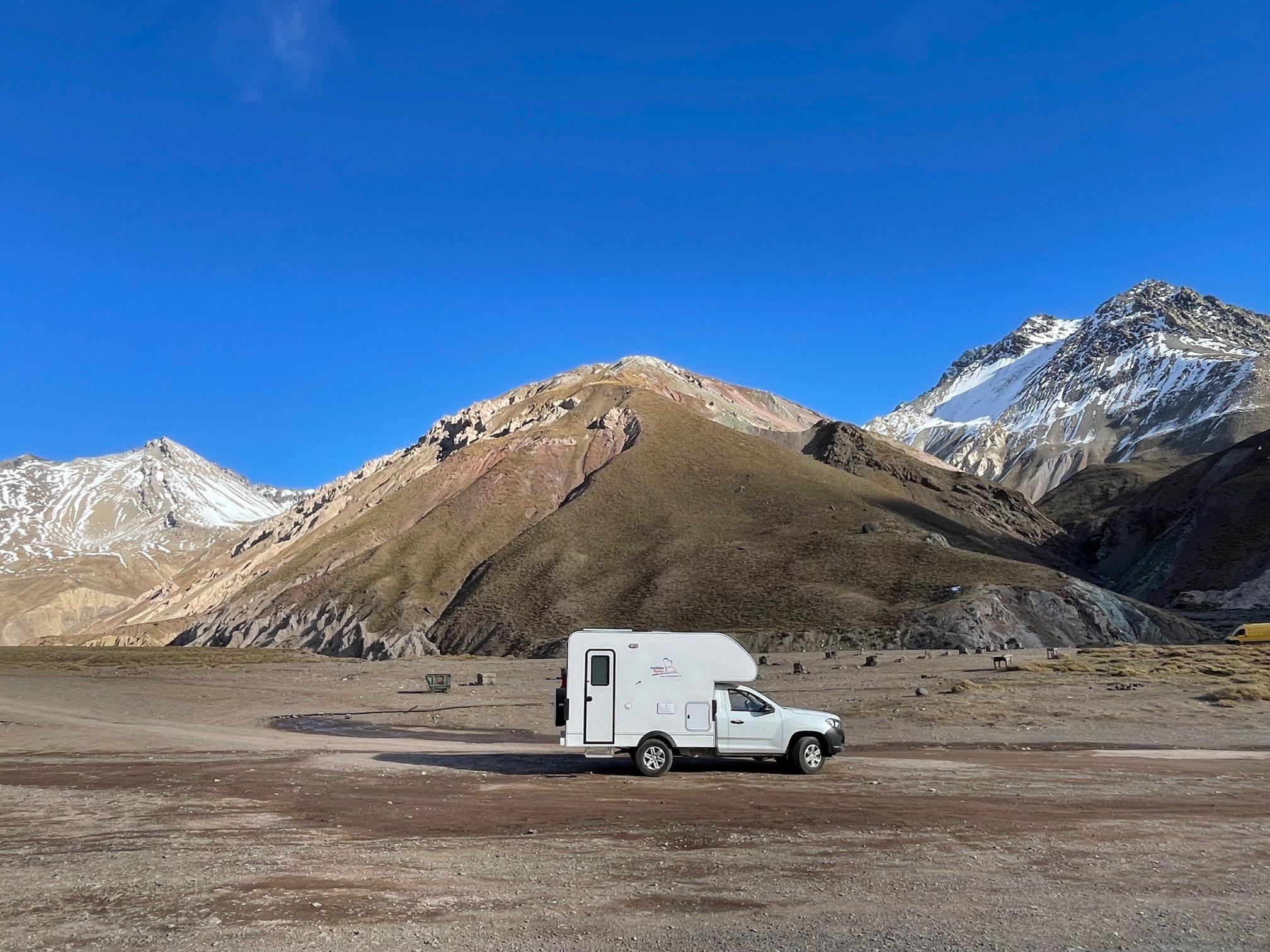
Chile has excellent world class ski centers. Their great infrastructure offers the visitor a place for entertainment in the middle of the Andes. Between the most remarkable are: Valle Nevado sixty kilometers east from Santiago and 3.000 meters of altitude, this is the most modern ski center in the country and the largest area for skiing in South America. Portillo, located 150 kilometers northeast from Santiago, has capacity for 500 passengers. Villarica-Pucón, located on the mountainside of Villarrica volcano, allows the practice of different activities such as fishing, sailing, water ski, golf, trekking and thermal baths. Termas de Chillán, on the mountainside of Nevado de Chillán volcano, has the longest ski track in South America. El Colorado Ski Center – Farellones, located 39 Km from Santiago, may offer tracks for beginners and for experts. Finally, La Parva, is the smallest ski center near Santiago.
22This valley, so-called because of its resemblance to a lunar valley, is located along the Salt Mountain range and bordered by the Atacama Salt Flats.
22This is a very popolar bathing resort with an outstanding service. Here you will find marvelous beaches with white sand as well as warm and soft waters such as La Piscina, Las Machas, Blanca and El Chuncho, renown as the best beaches in Chile.
|
The South
|
Rivers, Lakes and Volcanoes
Millions of years of volcanic and glacier activity transformed the Region of Lakes into one of the most beautiful lake areas in the world. Located between Temuco and Puerto Montt it is divided into two main areas: Araucanía (between Temuco and Valdivia) and Lakes & Volcanoes (between Valdivia and Puerto Montt). Not disregarding the mystic island of Chiloé. Araucanía is the main settlement of Mapuches (“people of the earth”), the most important indigenous group in South America. Located in Temuco, capital of the Ninth Region, “Museo de la Araucanía” displays the history and traditions of Mapuches.
Patagonia has an area of approximately one million square kilometers, three quarters of which are Argentine and a quarter is territory of Chile. Located on the Chilean side, is the almost unexplored territory of Aysén. Its lands flooded by the ocean and its rainy and cold weather have made up a region of innumerable channels, fiords and narrow gorges. Magallanes (Magellan’s region), the southernmost region in the world, covered by ice, steppes and forests, is considered a land of extreme beauty and the source of daily challenges for its people.
Divided in two well defined areas: on one hand North Patagonia, located between Puerto Montt and Villa O’Higgins, (in Aysén’s Region) and on the other hand South Patagonia, (Region of Magellan), where the city of Punta Arenas, the capital of this region, can be found. From this point is possible to gain access to Torres del Paine National Park, to Bernardo O’Higgins National Park, to Tierra del Fuego (Land of Fire), to Estrecho de Magallanes (Magellan Strait) and Beagle Channel. Punta Arenas is also the starting point to connect with the Falklands and Antarctica. This southern Chilean city has a glorious past as a provisioning center for the vessels traveling between the two oceans Pacific and Atlantic. Nowadays it stands out for the oil exports, the success in the sheep farming and exports of sheep’s wool and meat. Another place of interest is Puerto Natales, a must for tourists who travel between Perito Moreno and El Calafate on the Argentine side of Torres del Paine, Campo de Hielo Sur (Southern Patagonian Ice Field), el Seno Otway (Otway Sound) with its colony of penguins and Bernardo O’Higgins National Park. But there is no doubt Torres del Paine National Park, declared Biosphere Reserve by UNESCO, is the most interesting tourist place.
Places of interest in North Patagonia are the Carretera Austral (Southern Highway), with a length of 1,200 kilometers crossing rivers, cascades, mountains, cliffs and forests of larch and other indigenous varieties which offer a landscape of unforgettable beauty in places such as Parque Pumalín (Pumalín Park), with 42,000 acres of native forest protected by a privately owned organization and the amazingly beautiful General Carrera Lake, which crosses the border line between Argentina and Chile.
Puerto Varas
Situated on the shore of the Lago Llanquihue, the city Puerto Varas is renowned as one of the most beautiful towns in Chile. This town has a distinct German influence, as many of the settlers that founded the town in the XIX century came from that country.
Today, it offers the visitor an astonishing landscape, a good hotel and gastronomy infrastructure, a modern casino, a beach at the lakeshore and in the summer various open air cultural and culinary activities.
The fast growth of the coastal town Puerto Montt, 20 km from Puerto Varas, made Puerto Varas a residence of choice, which led to an increase in population and an enrichment of the urban life.
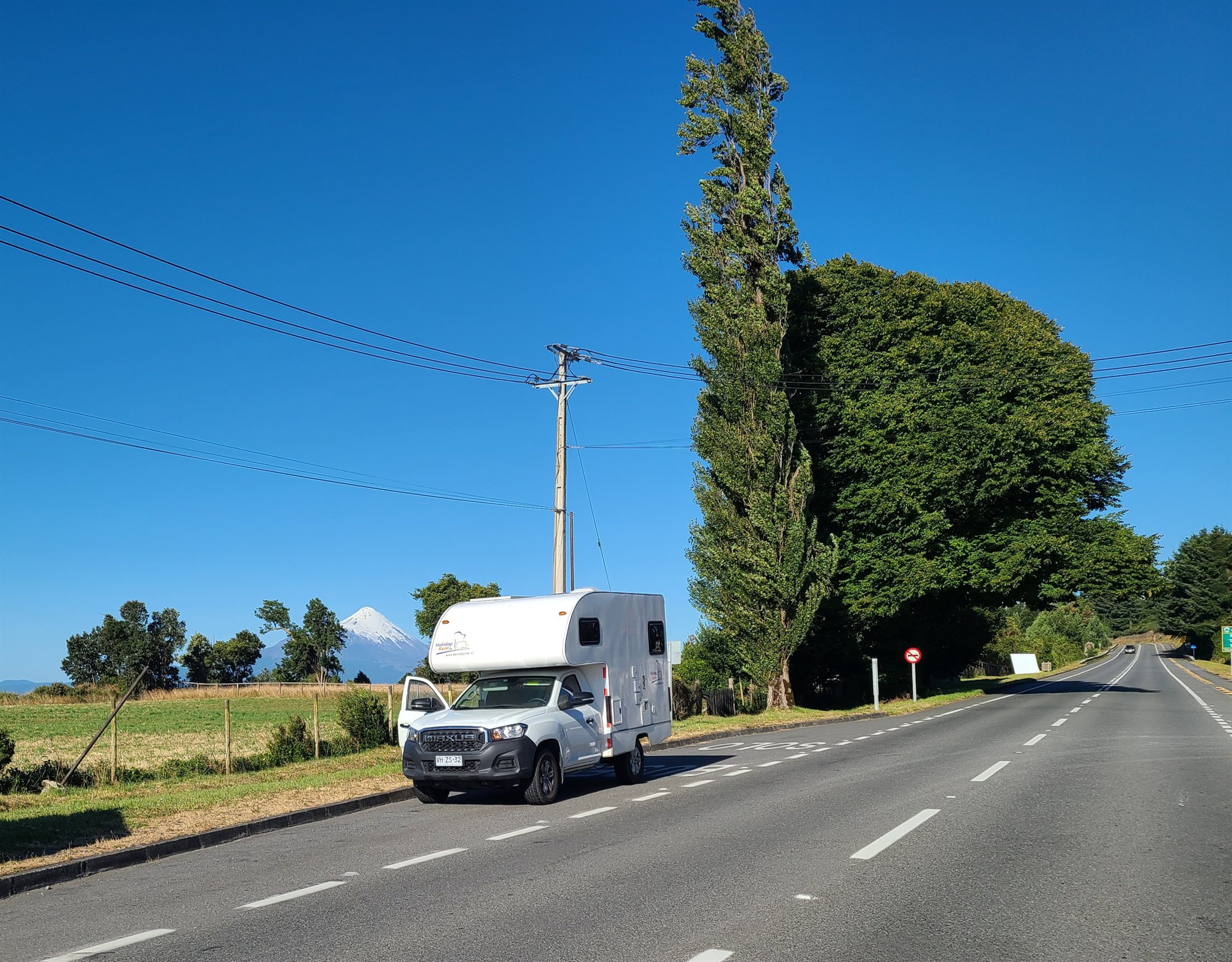
While in Puerto Varas you can engage in activities such as trekking, horseback riding or rafting and treasure the view by making sufficient pictures while ascending the volcano Osorno.
Isle of Chiloé
Chiloé possesses a enigmatic nimbus of mysteries, embosoming the island ever since hundreds of years, bringing to life numerous legends and myths. These enriched its history through the presence of witches, goblins, ghost ships and mysterious beings such as the Trauco, Pincoya, Caleuche and many more. Furthermore, it strikes with its colonial architecture, mostly expressed by its numerous churches and the unique Palafitos (stilt houses). You can experience local traditions in situ, if you are lucky enough to be there during a fair, such as the Minga, which involves literally moving an entire house from one site to another.
Lago General Carrera
It is the second largest lake in South America and is shared with Argentina (named "Buenos Aires"). Thanks to the Northern Ice Field, this zone has a surprising warm and sunny microclimate. The called Capilla de Mármol is an extraordinary formation bored by the turquoise lake water.
Torres del Paine
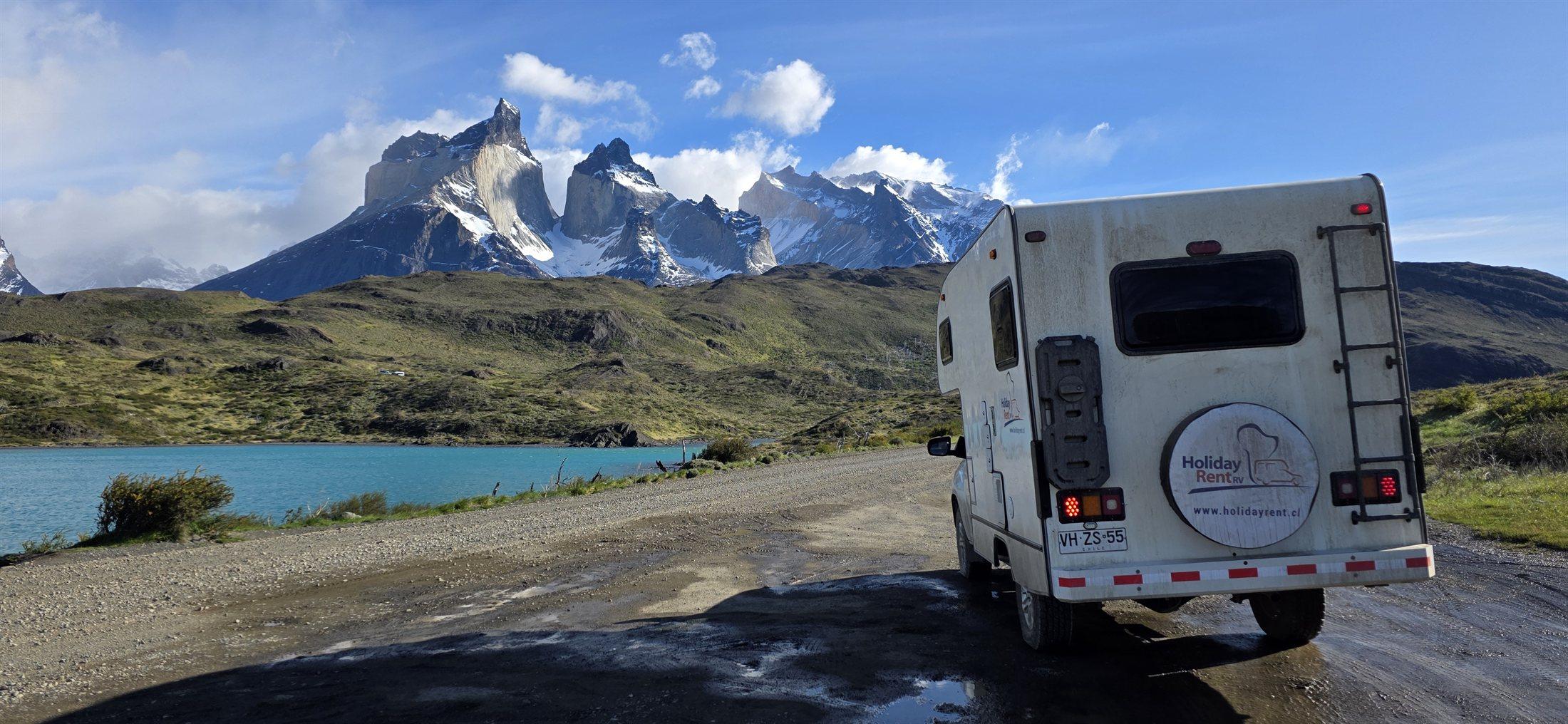
It is one of the most beautiful places in the world. The special flora and fauna and the uneven topography becomes a special destination for visitors. One of the main attractions is the Paine massif from granitic origin, the Cuerno del Paine mountains and Las Torres. Biosphere Reserve, the place has an incredible vegetation of coigue and lenga forests and different species as the calafate, the coirón, the steppe and the mata barrosa, as well as, on the other hand, condors, culpeos, guanacos, rheas, cougars, and gray foxes.
Its fantastic water resources allow for kayaking and rafting whereas on higher grounds, mountaineering and hiking are favored. The hiking trails offering a further option to exploring the park. These trails are protected by the Chilean forest authority CONAF.
|
Routes
|
|
.Desert & Altiplano
8 days / 7 nights
All year round.
DAY 1: ARICA (18 – 60 KM / 12 – 38 MILES)
We recommend you to use the afternoon to visit the Valle de Azapa (Azapa Valley) with its interesting archaeological museum.
DAY 2: ARICA – PUTRE (140 KM / 87 MILES)
Head for the Pacific coast towards the village of Putre, located on the Andean altiplano. Bear in mind that you will drive up to an altitude of 3.500m.
DAY 3: PUTRE – PARQUE NACIONAL LAUCA (LAUCA NATIONAL PARK) – ARICA (220 KM / 138 MILES)
We recommend you to use the morning to discover the beautiful Lago Chungará (Chungara Lake), at over 4,000m high, the center of a UNESCO Biospehre Reserve. In the late afternoon it is time to drive back from the Andes to the Pacific coast.
DAY 4: ARICA – IQUIQUE (316 KM / 196 MILES)
Drive through the desert marked with green canyons coming down from the Andes towards the coast.
DAY 5: IQUIQUE– SAN PEDRO DE ATACAMA (510 KM / 316 MILES)
Drive along the coast to Tocopilla and from there through the desert to San Pedro de Atacama passing by Calama.
DAY 6 & DAY 7: SAN PEDRO DE ATACAMA
It is good idea to use two days to discover the magnificent surroundings. If you would like to go to the El Tatio Geysers we recommend you a guided excursion as the route is difficult to find. All the other attractions can be easily reached on your own.
DAY 8: SAN PEDRO DE ATACAMA – CALAMA (100 KM / 62 MILES)
End of tour
Pacific coast and wine country
7 days / 6 nights
All year round
DAY 1: SANTIAGO – VALPARAÍSO (120 KM / 75 MILES)
When you leave the city, drive to the Pacific coast and stop at the Casablanca wine valley. We suggest stopping by one of the several wineries which can be visited.
DAY 2: VALPARAÍSO (0 – 100 KM / 0 – 62 MILES)
A whole day to enjoy the cities and beaches and get to know the famous port of Valparaiso, which has been declared a UNESCO Heritage Site.
DAY 3: VALPARAÍSO – SANTA CRUZ (250 KM / 155 MILES)
We recommend you to leave the coast and drive south to the Colchagua wine valley. Santa Cruz is a typical small village of the Central Region.
DAY 4: SANTA CRUZ (APROX. 50 KM / 31 MILES)
We suggest taking part in one of the wine tours offered by "Ruta del Valle Colchagua," whose office is on the square. Viña Santa Laura, Bisquerrt, Lapostolle and several more form part of the oldest wine route in Chile.
DAY 5: SANTA CRUZ – TALCA (125 KM / 78 MILES)
The southernmost wine valley is the Maule Valley located near Talca. When driving south on the Carretera Panamericana (Panamerican Highway) you will pass by the village of Curicó at the center of the Curicó Valley. There you can visit the Miguel Torres or Viña San Pedro wineries.
DAY 6: TALCA (APROX. 150 KM / 93 MILES)
A whole day to explore the surroundings of Talca. You may drive head for the coast or into the Andes.
DAY 7: TALCA – SANTIAGO (260 KM / 162 MILES)
Return to Santiago driving north on the Carretera Panamericana (Panamerican Highway). End of tour.
Between Araucarias and Alerce trees
11 days / 10 nights
November to April
DAY 1: TEMUCO – MALALCAHUELLO (95 KM / 59 MILES)
After visiting the local market you may want to drive directly to the Hostal Suizandina, located close to Malalcahuello. You will enjoy beautiful views of the active Llaima Volcano which is part of the Conguillio National Park.
DAY 2: MALALCAHUELLO (APROX. 100 KM / 62 MILES)
We suggest exploring the Malalcahuello National Reserve or enjoy some nearby thermal baths.
DAY 3: MALALCAHUELLO – CONGUILLÍO NATIONAL PARK (250 KM O 90 KM / 155 O 56 MILES)
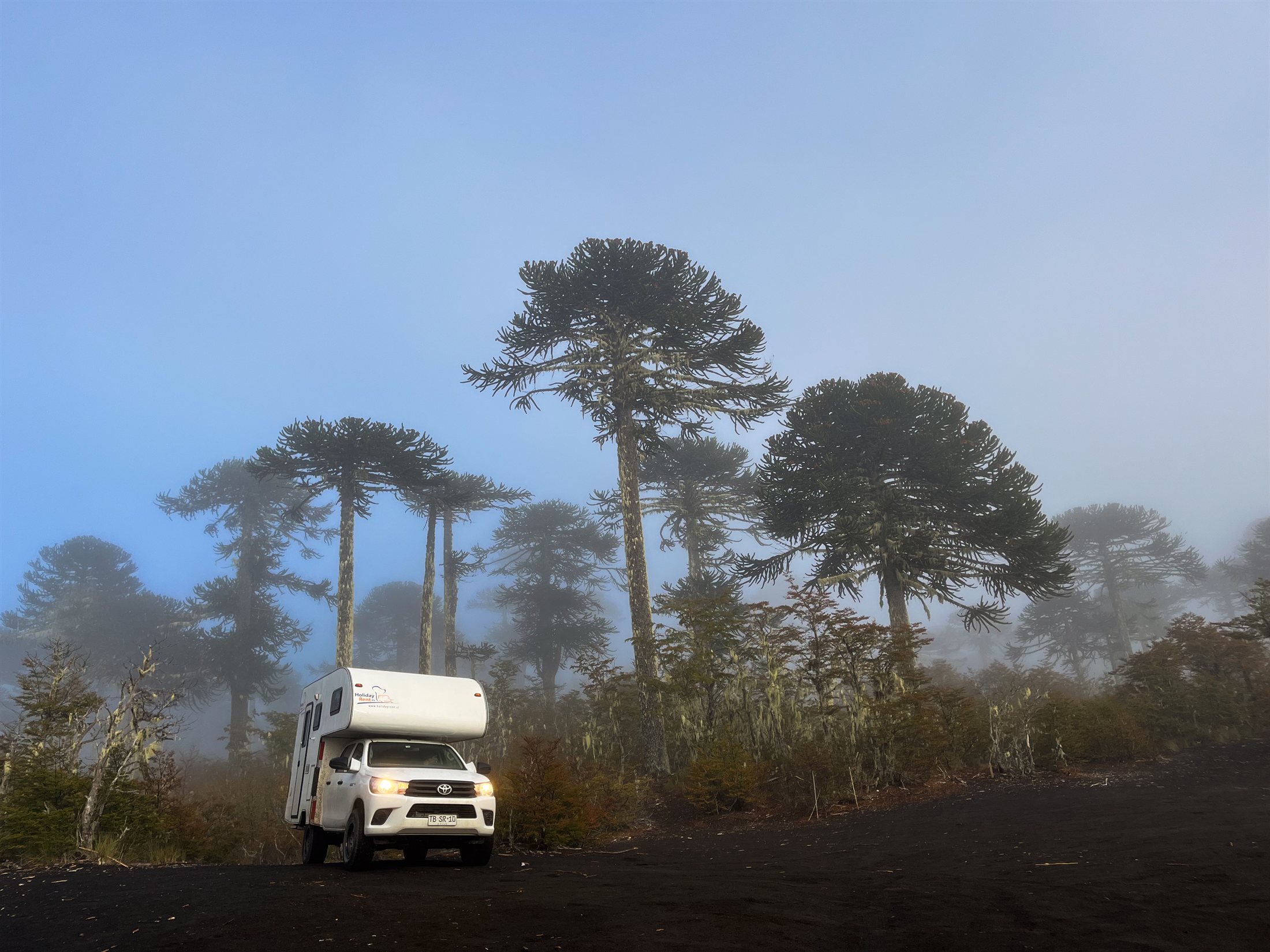
The visitor has two choices: to drive through a beautiful landscape with ancient araucaria trees, lakes and villages, or drive straight into National Park Conguillio.
DAY 4: CONGUILLÍO NATIONAL PARK (0 KM / MILES)
You may choose to discover one of the most impressive national parks you can imagine.
DAY 5: CONGUILLÍO NATIONAL PARK – PUCÓN (150 KM / 93 MILES)
You will leave the National Park and drive past Melipeuco and Cunco to Pucón.
DAY 6: PUCÓN (0 – 80 KM / 0 – 50 MILES)
You may want to visit the caves of the Villarica Volcano and get to know the Villarica National Park. The surroundings of Pucón include several thermal baths which invite you to a relaxing bath.
DAY 7: PUCÓN – HUILO HUILO (100 KM / 62 MILES)
Driving along the Villarrica, Calafquen and Neltume lakes until you reach the Pirihueco Lake and the Huilo Huilo Biological Reserve. The reserve protects 60,000 hectares of temperate forest and includes hot springs, lakes, rivers and the Choshuenco and Mocho volcanoes.
DAY 8: HUILO HUILO – VALDIVIA (151 KM / 94 MILES)
Leaving the Andes and driving to the city of Valdivia you will get close to the Pacific coast and the shores of the Valdivia River.
DAY 9: VALDIVIA – VICENTE PÉREZ ROSALES NATIONAL PARK (200 KM /124 MILES)
Arrival at the oldest National Park in Chile, Vicente Pérez Rosales. From far away you will catch a glimpse of the perfect conical shaped Volcano Osorno (depending on the weather).
DAY 10: VICENTE PÉREZ ROSALES NATIONAL PARK (0 – 70 KM / 0 – 44 MILES)
Visit the Saltos de Petrohué (Waterfalls of Petrohué) and drive up the Osorno Volcano.
DAY 11: PETROHUÉ – PUERTO VARAS – PUERTO MONTT (90 KM / 56 MILES)
Driving along the shores of the Llanquihue Lake, you will reach the “City of the Roses”, Puerto Varas, and then the airport of Puerto Montt. End of the tour.
The Chilean and Argentinean lake region
8 days / 7 nights
October to April
DAY 1: TEMUCO – PUCÓN (140 KM / 87 MILES)
The visitor should visit the local market and then follow the shores of the Villarica Lake to the picturesque city of Pucón.
DAY 2: PUCÓN (0 – 150 KM / 0 – 93 MILES)
We suggest visiting the caves of the Villarica Volcano and get to know the Villarica National Park. In addition, the surroundings of Pucón include several thermal baths which invite you to a relaxing bath.
DAY 3: PUCÓN – SAN MARTÍN DE LOS ANDES (140 KM / 87 MILES)
Cross the border to Argentina to explore the National Park Lanin on the way to the city of San Martín de los Andes. Overnight at the Park’s hostel.
DAY 4: SAN MARTÍN DE LOS ANDES – BARILOCHE (180 KM / 112 MILES)
Driving along the “seven lakes” route from the Lanin National Park into the Nahuel Huapi National Park. The city of Bariloche, located on the shores of the Nahuel Huapi Lake, is a perfect base for your explorations.
DAY 5: BARILOCHE (0 – 80 KM / 0 – 50 MILES)
You should use this day to visit the Nahuel Huapi National Park.
DAY 6: NAHUEL HUAPI NATIONAL PARK (ARG) – VICENTE PÉREZ ROSALES NATIONAL PARK (CHI) (380 KM / 236 MILES)
Today you will drive along the shores of the Nahuel Huapi Lake through Villa Angostura to Osorno in Chile and from there through Las Cascada (here you might want to drive up Osorno Volcano) to Petrohué, located in the Vicente Pérez Rosales National Park.
DAY 7: PETROHUÉ (0 – 70 KM / 0 – 43 MILES)
The Hotel Petrohué offers a wide range of optional explorations or you may as well visit the Saltos del Petrohué (Petrohué Waterfalls) on your own or drive up the Osorno volcano.
DAY 8: PETROHUÉ – PUERTO VARAS – PUERTO MONTT (90 KM / 56 MILES)
Drive along the shores of Llanquihue Lake to the City of the Roses, Puerto Varas, and then to the airport of Puerto Montt. End of tour.
Forests and fjords
7 days / 6 nights
October to April
DAY 1: PUERTO MONTT – PUERTO VARAS (30 KM / 18 MILES)
Driving on the Carretera Panamericana (Panamerican Highway) to Puerto Varas, located on the shores of the Llanquihue Lake with panoramic view of the Andes and the Osorno and Calbuco volcanoes.
DAY 2: PUERTO VARAS – PETROHUÉ (70 KM / 44 MILES)
Drive along the second largest lake of Chile to Ensenada and from there to Petrohué. On the way you may want to visit the Saltos del Petrohué (Waterfalls of Petrohue).
DAY 3: VICENTE PÉREZ ROSALES NATIONAL PARK (0 – 70 KM / 0 – 44 MILES)
The Hotel Petrohué offers a wide range of optional explorations or you may as well spend time on your own visiting the Saltos de Petrohué (Waterfalls of Petrohué) or driving up the Osorno Volcano.
DAY 4: PETROHUÉ – COCHAMÓ (70 KM / 44 MILES)
We recommend driving from an Andean lake to the Fjord of Reloncaví.
DAY 5: COCHAMÓ (0 KM / MILES)
You can join an optional excursion to thermal baths which are only reachable by boat. You may do some horseback riding or just relax on the ranch.
DAY 6: COCHAMÓ – PUERTO MONTT (110 KM / 68 MILES)
You can choose between driving back the same way to Puerto Montt or taking the new road along the fiord, crossing by ferry to La Arenas to drive on the Carretera Austral (Southern Highway) back to Puerto Montt.
DAY 7: PUERTO MONTT (10 KM / 6 MILES)
Drop off the vehicle at the airport of Puerto Montt
Around General Carrera Lake
7 days / 6 nights
November to April.
DAY 1: BALMACEDA – COYHAIQUE (40 KM / 25 MILES)
It will take you 1:30 hrs to reach Coyhaique.
DAY 2: COYHAIQUE – CHILE CHICO (120 KM / 75 MILES)
Drive south on the Carretera Austral (Southern Highway) to get to Puerto Ibañez. A ferry will take you across the bi-national General Carrera Lake to Chile Chico.
DAY 3: CHILE CHICO – COCHRANE (190 KM / 118 MILES)
Enjoy a splendid drive along the General Carrera Lake from Chile Chico to Cochrane.
DAY 4: COCHRANE (320 KM / 199 MILES)
We suggest driving to the village of Tortel or explore the Tamango National Reserve or the Lago Cochrane National Reserve.
DAY 5: COCHRANE – GENERAL CARRERA LAKE (70 KM / 44 MILES)
A short drive will take you back to the second largest lake in South America, General Carrera Lake.
DAY 6: GENERAL CARRERA LAKE (0 – 200 KM / 0 – 124 MILES)
Explore the surroundings by boating to the Catedral de Marmor (Cathedral of Marble) or participating in optional horseback riding or trekking trips.
DAY 7: GENERAL CARRERA LAKE – BALMACEDA (210 KM / 130 MILES)
Drive back to the airport of Balmaceda. End of tour.
Torres del Paine national park
6 days / 5 nights
October to April
DAY 1: PUNTA ARENAS – TORRES DEL PAINE NATIONAL PARK (300 KM / 186 MILES)
After a five-hour drive through the Magellan plains via Puerto Natales you will arrive at the Torres del Paine National Park and a magnificent view of the Torres Massif.
DAY 2: SARMIENTO LAKE AREA (0 – 150 KM / 0 – 93 MILES)
Expedition to the area of the Sarmiento Lake.
DAY 3: TORRES DEL PAINE (0-100 KM / 0-62 MILES)
A journey to the National Park to the Hostería Lago Grey. You should detour to explore the Azul Lake. Especially on sunny mornings, the views here of the Torres are spectacular.
DAY 4: GREY LAKE AREA (0 – 150 KM / 0 – 93 MILES)
We suggest taking the optional excursion to get closer to the Grey Glacier. The rest of the day you should hike on of the trails nearby or just enjoy the views.
DAY 5: TORRES DEL PAINE – PUERTO NATALES (150 KM / 93 MILES)
Make your way back to Puerto Natales.
DAY 6: PUERTO NATALES – PUNTA ARENAS (240 KM / 150 MILES)
End of tour.
Patagonia - From the Pacific to the Atlantic
7 Days / 6 nights
November to April
DAY 1: PUNTA ARENAS – PUERTO NATALES (240 KM/ 150 MILES)
Upon arrival, receive your vehicle at the Hertz airport office together with a map and a driving description. You should visit the penguin colony at the Seno Otway (Otway Sound) on your way to Puerto Natales.
DAY 2: PUERTO NATALES – TORRES DEL PAINE (150 KM / 93 MILES)
We recommend starting early in the morning to make the most of this first day in the Torres del Paine UNESCO Biosphere Reserve. The Milodón Cave should be your first stop. You also do not want to miss a visit to the Laguna Azul (Blue Lagoon), a beautiful place to view Las Torres before you drive through the park.
DAY 3: TORRES DEL PAINE (0 – 150 KM / 0 – 93 MILES)
We suggest exploring the Torres del Paine National Park.
DAY 4: TORRES DEL PAINE – CALAFATE (390 KM / 242 MILES)
Cross the border to drive to Calafate (Argentina).
DAY 5: PERITO MORENO GLACIER (80 KM / 50 MILES)
We recommend you to drive into the Los Glaciares National Park.
DAY 6: CALAFATE – RÍO GALLEGOS (304 KM / 189 MILES)
Driving through the Argentinean plains towards the Atlantic coast.
DAY 7: RÍO GALLEGOS – PUNTA ARENAS (240 KM / 150 MILES)
Drive back to Chile and the airport of Punta Arenas. End of tour.
|
| |